

Clawback or Claw Your Way Out: Why Private Pay Is a Decision You Won't Regret Making
I closed my group practice because of clawbacks. Not because I wanted to. Because the math stopped working and the system was never designed to protect me. Here is what I learned and what I want every therapist still on insurance panels to understand.
I closed my group practice because of clawbacks. That is the short version.
The longer version is that I built something, staffed it, saw clients, submitted claims, got paid, and then watched insurance companies come back and take that money. Not once. More than once. And by the time I understood the full picture of what I was dealing with, the math on keeping that practice open no longer worked. I had to downsize. I had to make hard decisions. And eventually I made the decision that private pay was not optional for me. It was survival.
I have since talked to hundreds of therapists across the country who have versions of the same story. And what I keep hearing is that most of them did not see it coming either.
So let me be direct about what clawbacks actually are and what they can actually do to a practice.
What Is a Clawback?
A clawback happens when an insurance company demands repayment of money they already paid you for sessions you already completed. Not future sessions. Past ones. Work you did, notes you wrote, clients you helped. Money you already spent paying your rent, your staff, your software, yourself.
The reasons vary. Sometimes it is a billing code dispute. Sometimes it is a documentation issue, a missing signature, an incorrect timestamp. Sometimes the insurance company made the error in the first place and still comes after you for the money. Sometimes a client's coverage changed and you had no way of knowing, and now you owe back every session you were paid for under the wrong plan.
None of that matters in the moment when the letter arrives. The letter just says you owe them money.
How Bad Can It Get?
Bad enough to close a practice.
A provider in Washington state had her firm taken apart by a single insurer over billing code disputes and documentation issues, including clawbacks for small clerical errors like a missing signature or an incorrectly written timestamp. Instead of allowing corrections, the insurer demanded all the money back. She estimates the firm lost approximately $1.5 million. She had to take out loans to pay her staff. She eventually closed. At the end, it was just her.
A community mental health center in Massachusetts received a single clawback demand for over $137,000.
A therapist in Georgia was blindsided by a demand covering six months of sessions with one client, issued a full year after the fact, because the insurer had paid out of the wrong plan. She had no way of knowing which plan was primary. She got the letter anyway.
In 2024, Optum began seeking repayment from clinical social workers across the country who had been paid at 100% of the Medicare physician fee schedule when the correct rate was 75%. That was the insurer's error. Therapists still got the recoupment letters. Solo practitioners reported being on the verge of closing because of the financial burden.
One therapist received a $189,000 repayment demand after an insurer requested two years of notes and deemed the documentation inadequate, without having reviewed a single note first.
These are not edge cases pulled from message boards. These are documented and reported.
There Is No Clock Working in Your Favor
Here is the part that does not get talked about enough.
You have billing deadlines. Usually 60 to 90 days after a session to submit your claim. Miss that window and the claim is denied, full stop.
Insurance companies do not have the same deadline to come after you.
States have different laws governing how far back an insurer can pursue recoupment from a provider, ranging anywhere from six months to a couple of years. But some states have no laws limiting clawbacks at all. And when it comes to Medicare, the lookback period for errors and recoupment can extend as far as six years, and state law would not apply, meaning your state insurance commissioner would not have the power to help you.
You are held to a strict timeline. They are not.
That asymmetry is not an accident. It is a structural feature of the system.
This Is Not a Billing Problem
I want to be careful here because I know some people will read this and think the answer is better documentation or better billing practices. And yes, clean notes matter and accurate coding matters. But the therapists I mentioned above were not sloppy. They were practicing in good faith inside a system designed without meaningful protections for providers.
One Georgia therapist described it this way: imagine it is payday and you are expecting your check to look a certain amount, and then your boss comes in and says you are not getting paid this week because they are unhappy with the job you did two years ago. And when she called the insurer to sort it out, she was sent in circles for hours of unpaid time trying to get answers from people who had no authority to give them.
This is a structural problem. And private pay is one of the only real protections against it.
When your income is not routed through a third-party payer, there is no mechanism for retroactive recoupment. The session happened. You were paid. It is done. You can build a budget around that. You can plan. You can breathe.
That is not a luxury. That is what a sustainable practice requires.
Where Do You Go From Here?
If you are still on insurance panels, I am not telling you to quit tomorrow. I know the financial reality of making that transition is real and it takes time. I have spent years helping therapists navigate exactly that process.
But I am saying this. Every therapist on an insurance panel right now is carrying financial risk they may not fully see. And the moment a clawback letter arrives is not the moment to start thinking about your exit strategy. That moment is now.
Private pay is not a dream. It is a decision. And for a lot of us, it is the only decision that makes a practice actually survivable.
References
NPR / ProPublica — Washington state practice closure, Anna DiNoto
https://www.npr.org/transcripts/nx-s1-5028551
Commonwealth Beacon — Massachusetts $137,000 clawback demand
https://commonwealthbeacon.org/health-care/clawbacks-threaten-mental-health-services/
Georgia Public Broadcasting — Georgia therapist Tracy Hooper, March 2025
https://www.gpb.org/news/2025/03/04/so-called-insurance-clawbacks-are-driving-georgia-mental-health-therapists-private
ClearHealthCosts — 2024 Optum Medicare clawback wave
https://clearhealthcosts.com/blog/2024/04/medicare-clawbacks-strike-therapists-nationwide/
Navigating the Insurance Maze — $189,000 demand, Medicare six-year lookback
https://theinsurancemaze.com/clawbacks/
DJ Burr, LMHC, LPC, Founder, Private Pay Practitioners
www.privatepaypractitioners.com
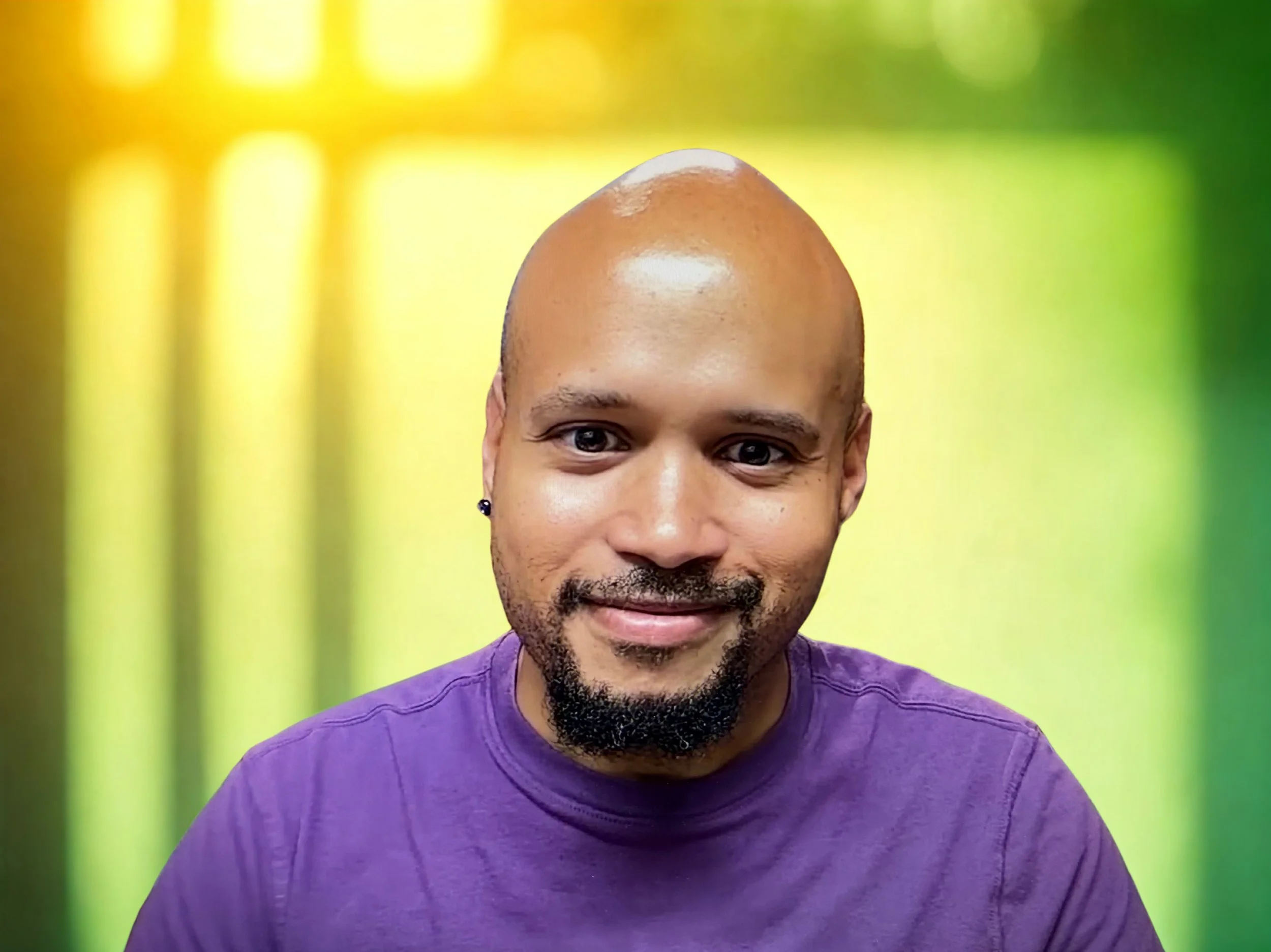
Why I Started Private Pay Practitioners
The story behind Private Pay Practitioners. A walk in 2016. A friend in money recovery. A meeting that changed everything. And the community that grew from there.
I was walking the AIDS Walk in 2016 when a friend told me about money recovery.
I'd asked her to come with me. We knew each other from another recovery program. I had no idea she was also in money recovery until somewhere along the route, she started telling me about it. The meetings, the steps, the work.
Something cracked open. I said, "I need that."
At the time, ABLE Life Recovery, my practice, was being hammered by insurance companies. Clawbacks. Audits. The kind of thing where you've done the work, you've billed the work, and months later they want the money back. I was in serious debt. Taking out loans to pay my staff. Not paying myself.
I was bleeding out and I knew it. I just didn't know what to do about it. I had a business to run. I owed people what they were owed. So I kept going.
You probably know this feeling.
The Meeting That Changed Everything
I went to my first money recovery meeting the next day.
The first person I met recognized me from my book, I Just Wanted Love. A fellow therapist. The rooms keep showing you what you need to see.
I came in thinking I had a money problem. I left understanding I had a choices problem. I'd been operating like I didn't have any.
Money recovery taught me I had options. About my debt. About how I paid it. About who I talked to about it. It also taught me I had amends to make. Real amends. To family, to friends, to anyone impacted by my not understanding money, by my borrowing, by my difficulty repaying.
I had to take ownership.
For a therapist, that part hits a particular way. We're trained to help other people take ownership of their lives. We're not always great at doing it ourselves. I'd been telling clients about boundaries for years while my own business was a boundary-less mess.
The Bombshell
One of the first things they told me landed like a brick. They said, "Staying on these insurance panels is actually costing you money. It's draining you and your business. This isn't sustainable."
My response: Well, what in the hell am I supposed to do about it?
Being on insurance panels felt necessary. It was how I served clients. The fact that I might not actually get paid for serving those clients was a separate problem. Or so I told myself.
They said, "We think you need to drop the panels."
I was freaking out. I didn't know a single therapist who wasn't on insurance.
The Plan
What I came to love about money recovery was the planning.
Every week, I sat down with people in the program and we reviewed the plan. We talked through the challenges, the stressors, the things that were hard about running a business, paying staff, making it all work.
They weren't all therapists. The one who'd recognized me from my book was, and she helped me. What none of us had in common was a blueprint for what I was doing. Not one person in that group had ever left an insurance panel. What they had was the framework for looking at my finances honestly and building a plan I could actually execute. That mattered more than I understood at the time.
It wasn't a vision board. It was a plan.
Little by little, I started downsizing. I closed the group practice. I transferred my lease to a colleague. I moved my practice into my home and started seeing clients in my den.
A reset. A rightsizing. I wasn't willing to just close up shop and go work at Target. I needed something. And what I held onto, all the way through, was that I had choices. My higher power was with me every step of the way.
Leaving the Panels
One by one, I left the panels. I'd submitted my termination notices months in advance. When the contracts ran out, I was fully private pay.
It was scary. I was afraid of losing clients. I did. Some. Maybe 50%. Others stayed.
I made allowances for reduced rates, temporarily, as I got my grasp. As time went on, more structure surrounded my reduced rates, but only after full-fee clients started coming in. And strategically, I raised rates.
People love to call this kind of thing brave. It wasn't. I had a weekly meeting and a plan and I kept showing up scared. That was the whole thing.
What Came Next
After I went fully private pay, I needed something I didn't have: a community of other private pay practitioners. I didn't know anyone.
Somebody suggested I start a Facebook group. I had familiarity with that. I'd already run a Seattle-based networking group. So in 2017, I created Private Pay Practitioners.
It was just me at first. For about a day. Then people started finding me.
Almost ten years later, the main group has over 17,000 members. There's a Black Private Pay group with more than 500. There's a Georgia chapter with nearly 300 since I moved back from Washington. And there's a Patreon community of clinicians doing the deeper work together.
I didn't build any of that on purpose. I built it because I needed it. Then other people needed it too.
Why This Matters
Every therapist running a private practice deserves a sustainable one. Doesn't matter if you're taking insurance or you've gone private pay.
This matters because the work depends on it. If you spent the morning fighting an insurance company about a clawback from eight months ago, you're not going to be much good to your 2pm client. If your bank account is in a trauma response, you can't do trauma work.
Your nervous system is your clinical instrument. If it's fried, the work suffers. That's not a moral problem. That's mechanics.
My practice didn't get healthy because I read a business book. It got healthy because I went to a meeting. The work you do on yourself shows up in your business. You can't compartmentalize integrity. It either runs through everything or it leaks out everywhere.
If You're Drowning
If you're a therapist who's drowning right now in clawbacks, in debt, in the math of taking insurance, hear me.
You have choices. You may not feel like you do. You may not see them yet. But they're there. The fact that you can't see them is not evidence that they don't exist. It's evidence that you need different eyes on the situation. Other people's. People who've done this before.
And you don't have to figure it out alone. That's the whole reason this community exists. That's why I keep showing up. That's why I'll keep doing this work as long as there's a single private practice clinician who needs to know they're not the only one.
You're not the only one.
Private pay isn't a dream. It's a decision. The same one I had to make in 2016. The same one thousands of therapists have made since.
It's available to you. Come find us.
D.J. Burr, LMHC, LPC
Founder