
Why I Started Private Pay Practitioners
The story behind Private Pay Practitioners. A walk in 2016. A friend in money recovery. A meeting that changed everything. And the community that grew from there.
I was walking the AIDS Walk in 2016 when a friend told me about money recovery.
I'd asked her to come with me. We knew each other from another recovery program. I had no idea she was also in money recovery until somewhere along the route, she started telling me about it. The meetings, the steps, the work.
Something cracked open. I said, "I need that."
At the time, ABLE Life Recovery, my practice, was being hammered by insurance companies. Clawbacks. Audits. The kind of thing where you've done the work, you've billed the work, and months later they want the money back. I was in serious debt. Taking out loans to pay my staff. Not paying myself.
I was bleeding out and I knew it. I just didn't know what to do about it. I had a business to run. I owed people what they were owed. So I kept going.
You probably know this feeling.
The Meeting That Changed Everything
I went to my first money recovery meeting the next day.
The first person I met recognized me from my book, I Just Wanted Love. A fellow therapist. The rooms keep showing you what you need to see.
I came in thinking I had a money problem. I left understanding I had a choices problem. I'd been operating like I didn't have any.
Money recovery taught me I had options. About my debt. About how I paid it. About who I talked to about it. It also taught me I had amends to make. Real amends. To family, to friends, to anyone impacted by my not understanding money, by my borrowing, by my difficulty repaying.
I had to take ownership.
For a therapist, that part hits a particular way. We're trained to help other people take ownership of their lives. We're not always great at doing it ourselves. I'd been telling clients about boundaries for years while my own business was a boundary-less mess.
The Bombshell
One of the first things they told me landed like a brick. They said, "Staying on these insurance panels is actually costing you money. It's draining you and your business. This isn't sustainable."
My response: Well, what in the hell am I supposed to do about it?
Being on insurance panels felt necessary. It was how I served clients. The fact that I might not actually get paid for serving those clients was a separate problem. Or so I told myself.
They said, "We think you need to drop the panels."
I was freaking out. I didn't know a single therapist who wasn't on insurance.
The Plan
What I came to love about money recovery was the planning.
Every week, I sat down with people in the program and we reviewed the plan. We talked through the challenges, the stressors, the things that were hard about running a business, paying staff, making it all work.
They weren't all therapists. The one who'd recognized me from my book was, and she helped me. What none of us had in common was a blueprint for what I was doing. Not one person in that group had ever left an insurance panel. What they had was the framework for looking at my finances honestly and building a plan I could actually execute. That mattered more than I understood at the time.
It wasn't a vision board. It was a plan.
Little by little, I started downsizing. I closed the group practice. I transferred my lease to a colleague. I moved my practice into my home and started seeing clients in my den.
A reset. A rightsizing. I wasn't willing to just close up shop and go work at Target. I needed something. And what I held onto, all the way through, was that I had choices. My higher power was with me every step of the way.
Leaving the Panels
One by one, I left the panels. I'd submitted my termination notices months in advance. When the contracts ran out, I was fully private pay.
It was scary. I was afraid of losing clients. I did. Some. Maybe 50%. Others stayed.
I made allowances for reduced rates, temporarily, as I got my grasp. As time went on, more structure surrounded my reduced rates, but only after full-fee clients started coming in. And strategically, I raised rates.
People love to call this kind of thing brave. It wasn't. I had a weekly meeting and a plan and I kept showing up scared. That was the whole thing.
What Came Next
After I went fully private pay, I needed something I didn't have: a community of other private pay practitioners. I didn't know anyone.
Somebody suggested I start a Facebook group. I had familiarity with that. I'd already run a Seattle-based networking group. So in 2017, I created Private Pay Practitioners.
It was just me at first. For about a day. Then people started finding me.
Almost ten years later, the main group has over 17,000 members. There's a Black Private Pay group with more than 500. There's a Georgia chapter with nearly 300 since I moved back from Washington. And there's a Patreon community of clinicians doing the deeper work together.
I didn't build any of that on purpose. I built it because I needed it. Then other people needed it too.
Why This Matters
Every therapist running a private practice deserves a sustainable one. Doesn't matter if you're taking insurance or you've gone private pay.
This matters because the work depends on it. If you spent the morning fighting an insurance company about a clawback from eight months ago, you're not going to be much good to your 2pm client. If your bank account is in a trauma response, you can't do trauma work.
Your nervous system is your clinical instrument. If it's fried, the work suffers. That's not a moral problem. That's mechanics.
My practice didn't get healthy because I read a business book. It got healthy because I went to a meeting. The work you do on yourself shows up in your business. You can't compartmentalize integrity. It either runs through everything or it leaks out everywhere.
If You're Drowning
If you're a therapist who's drowning right now in clawbacks, in debt, in the math of taking insurance, hear me.
You have choices. You may not feel like you do. You may not see them yet. But they're there. The fact that you can't see them is not evidence that they don't exist. It's evidence that you need different eyes on the situation. Other people's. People who've done this before.
And you don't have to figure it out alone. That's the whole reason this community exists. That's why I keep showing up. That's why I'll keep doing this work as long as there's a single private practice clinician who needs to know they're not the only one.
You're not the only one.
Private pay isn't a dream. It's a decision. The same one I had to make in 2016. The same one thousands of therapists have made since.
It's available to you. Come find us.
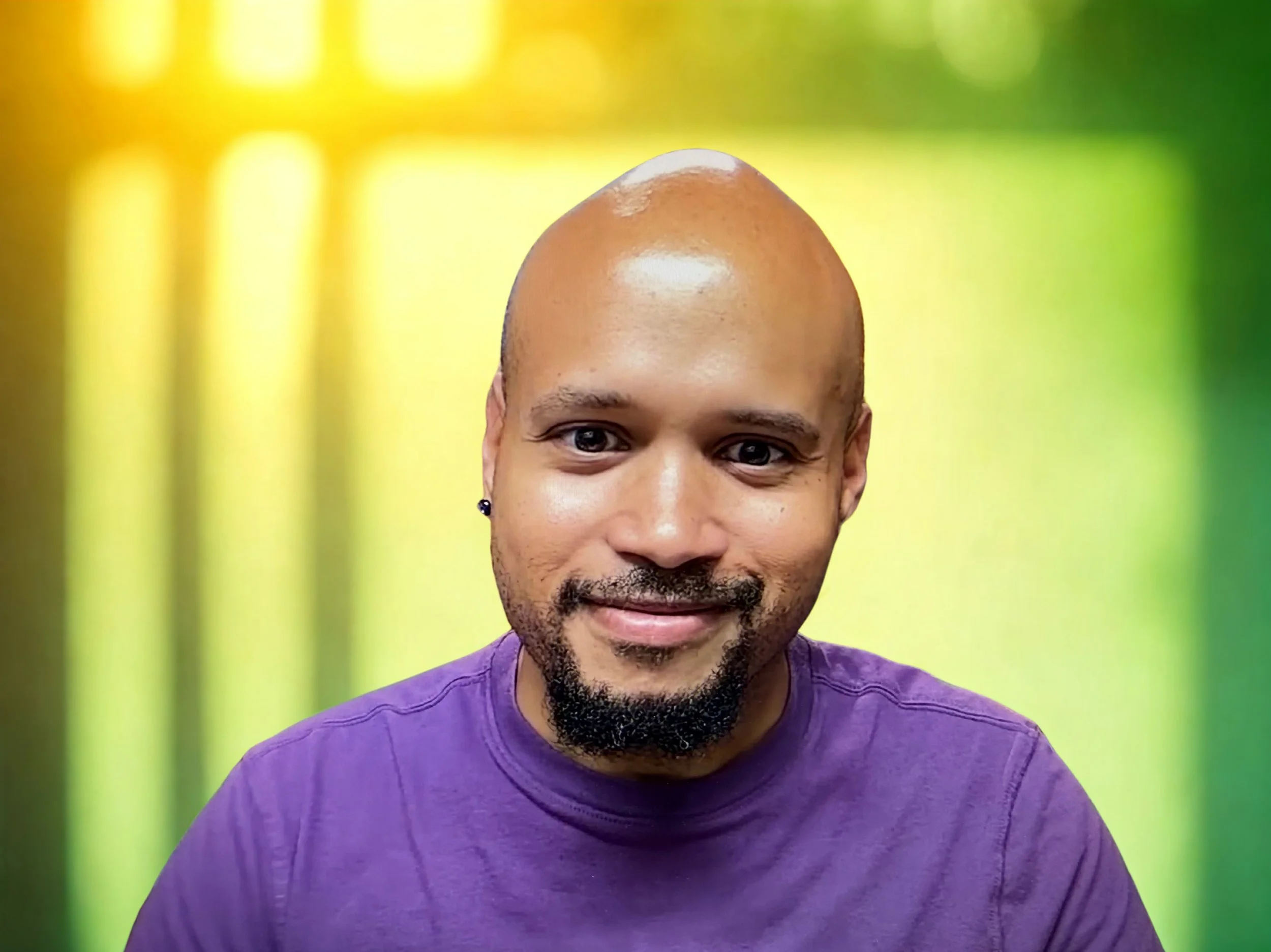
D.J. Burr, LMHC, LPC
Founder

Why Every Private Pay Therapist Needs a Professional Community (And How to Find the Right One)
Going private pay can feel like stepping off a cliff. You're leaving the predictable (if frustrating) world of insurance panels for something that feels riskier, lonelier, and full of questions nobody in your grad program prepared you to answer.
Questions like: How do I actually get clients without insurance directories? What do I say when someone asks for a superbill? Is $150 too much? Too little? Why does everyone else seem to have this figured out?
Here's what most therapists discover eventually: the ones who succeed in private pay aren't doing it alone. They've found their people.
The Isolation Problem
Private practice is already isolating. Add "private pay" to the mix and it gets worse.
Your insurance-based colleagues don't get it. They're worried about credentialing delays and reimbursement rates. You're worried about whether anyone will pay out-of-pocket at all.
Your friends and family definitely don't get it. ("You're charging HOW much per hour? And people just... pay that?")
And the internet? It's full of contradictory advice from people selling $5,000 courses on how to build a six-figure practice in six months.
You need people who are in it with you. People who understand that this is hard AND possible. People who've been where you are and can tell you what actually works.
What a Good Community Offers
Normalization. The fears you have? Everyone has them. The mistakes you're making? Everyone made them. Hearing "I went through that too" is worth more than any marketing course.
Real answers from real practitioners. Not theory. Not what should work according to some business coach who's never seen a client. Actual "here's what I did and here's what happened" information.
Accountability without judgment. Someone to ask "Did you raise your rates yet?" without making you feel like garbage if the answer is no.
Referrals and connections. Other private pay therapists aren't your competition. They're your referral network. They're full, you're not, they send someone your way. You specialize in trauma, they specialize in couples, you trade referrals. This is how sustainable practices get built.
Permission. Sometimes you just need someone further along to say, "Yes, you can charge that," or "Yes, you can say no to that client," or "Yes, you can take a vacation."
What to Look For (And Avoid)
Look for:
Communities specifically focused on private pay (not just "therapist entrepreneurs" or "private practice" generally—the private pay piece matters)
Active engagement, not just promotional posts
Mix of experience levels (people ahead of you AND people behind you)
Clear moderation and culture of support over competition
Free or low-cost options to start (you shouldn't have to pay hundreds to find your people)
Avoid:
Communities that are mostly people selling to each other
Spaces where every question gets answered with "buy my course"
Groups with no moderation where bad advice goes unchecked
Anywhere that makes you feel worse about where you are instead of better
Where to Find Your People
Facebook Groups: Still the largest concentration of therapist communities. Search for "private pay therapists," "cash pay therapy," or "insurance-free practice." Look at member count, post frequency, and whether the posts are actual discussions or just self-promotion.
Professional associations: Some have private pay or practice-building special interest groups. Check NASW, ACA, AAMFT, or your state association.
Local networking: Sometimes the best community is five therapists in your city who meet for coffee once a month. Don't underestimate proximity.
Online memberships: Some coaches and consultants run ongoing communities as part of their offerings. These can be valuable if the leader has real experience and the culture is collaborative, not competitive.
The Real Value
Here's what nobody tells you about community: it's not just about getting answers. It's about staying in the game long enough to figure it out.
Private pay has a learning curve. There will be months where you doubt everything. There will be moments where going back to panels feels easier than pushing forward.
The therapists who make it aren't necessarily smarter or better at marketing. They're the ones who had someone in their corner saying "keep going" when it got hard.
Find your people. It matters more than any strategy.
Looking for a community of private pay practitioners? Private Pay Practitioners is a free Facebook community of over 16,000 therapists navigating the transition from insurance to private pay. No gatekeeping, no pressure, just real support from people who get it.